.

Christopher B. Block

Co-Chair, Real Estate E&O Liability Practice

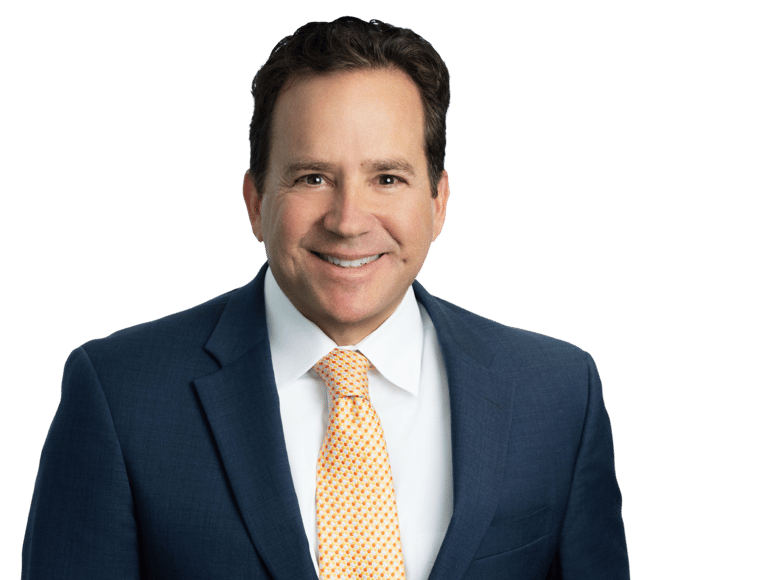
Portrait of Christopher B. Block

Chris actively defends matters for a variety of clients from individuals to small businesspeople to medium sized and large insurance companies throughout New Jersey and New York. His practice includes matters involving premises liability, product liability, amusements, sports and recreation, construction accidents, automobile, condominium/community association law and dram shop/liquor liability. He also represents home inspectors and real estate agents involved in mold and other environmental claims. Chris defends professional malpractice matters brought against lawyers, real estate professionals, insurance agents and brokers, appraisers, architects and engineers. He has also defended a wide range of employment matters including the defense of gender and race claims.

Christopher has conducted over a dozen jury trials in state and federal venues in both New Jersey and New York, including most recently in Union and Morris counties in New Jersey. At trial he has litigated matters that range from complicated federally based legal malpractice claims to state court casualty cases.

In his career, Chris has defended product liability lawsuits brought against one of the nation's largest crane manufactures and freezer manufacturers. His representation extends to some the nation's largest insurance companies as well as a large brokerage firm.

Chris received his juris doctor from Widener University School of Law and a Bachelor of Science from the University of Pittsburgh. He is admitted to practice in New Jersey and New York.

    • Widener University Delaware Law School (J.D., 1996)
    • University of Pittsburgh (B.S., 1993)
    • New Jersey
    • New York
    • U.S. District Court District of New Jersey
    • Litigation Management Institute, Graduate 2019 (CLMP)
    • Certified Claims Professional (CCP), Claims and Litigation Management Alliance (CLM)
    • New Jersey Bar Association
    • New York Bar Association
    • Professional Liability Defense Federation (PLDF), Director of Membership Development
    • Claims and Litigation Management Alliance (CLM)
    • Casualty Claims Investigation, CLM Claims College School of Casualty Claims – Level 1, September 2025
    • Preparing A Claim for Trial, Marshall Dennehey Client Presentation, April 2025
    • Preparing A Claim for Trial, Marshall Dennehey Client Webinar, February 4, 2025
    • Casualty Claims Investigation, CLM Claims College School of Casualty Claims – Level 1, September 2024
    • The Seven-Ten Split Mock Trial: Navigating Agent Errors & Omissions, The Annual Professional Insurance Agents (PIA) Conference, Atlantic City, New Jersey, June 2, 2024
    • Emerging Claims Against Home Inspectors, Marshall Dennehey Client Seminar, March 9, 2022
    • Casualty Claims Investigation, CLM Claims College School of Casualty Claims – Level 1, Virtual, 2021
    • Civil Litigation State of AffairsThe Impact of COVID-19 in Pennsylvania and New Jersey & What’s Next, Marshall Dennehey Client Webinar, May 2021
    • Casualty Claims Evaluation, CLM Claims College School of Casualty Claims – Level 1, Virtual, 2020
    • Anatomy of a Real Estate Transaction: How Actions of Participants Give Rise to Claims, Client Presentation, July, 2019
    • Defending Real Estate Agents, Title Agents and Home Inspectors, PLDF Annual Conference, New Orleans, LA, October, 2018
    • Expert Witnesses - Using New Jersey Court Rules To Your Advantage, National Business Institute, Newark, NJ, November 2015
    • Top Ten Ways to Keep Your PL Claims Professional Happy , PLDF Annual Conference and CLE/CEU Presentation, Washington, DC, September, 2014
    • Ethical Claim Negotiations, CEU Institute, Parsippany, NJ, January 2014
    • Primer on Claims and Risk Management Issues for Real Estate Agents and Home Inspectors, PLDF Annual Conference and CLE/CEU Presentation, Chicago, IL, October 2013
    • Liabilities and Obligations for Real Estate Professionals, Lorman Education Services, September 2012
    • Obtained a defense verdict in a trucking accident in New Jersey. The plaintiff claimed that our client merged into her lane at the George Washington Bridge toll plaza causing her to sustain neck and back injuries for which she underwent two spinal surgeries. Our client testified that both of their lanes ended and, because they were required to merge, he had the right-of-way since the front of his truck was ahead of the front of her vehicle. Our accident reconstruction expert confirmed that our driver had the right-of-way and opined that plaintiff was the sole cause of the accident. We also disputed the causation of plaintiff’s alleged injuries based on the very limited property damage to her vehicle, as well as the fact that she had prior, similar injuries. After a little more than an hour of deliberations, the jury returned a verdict finding that our driver was not negligent.   
    • Obtained a defense verdict in a one week trial in Hudson County, New Jersey in a case where plaintiff alleged that the defendant insurance producer failed to alert plaintiff of a policy coming up for renewal and then failed to advise plaintiff that the policy had lapsed and that plaintiff had no insurance. The plaintiff claimed that defendant breached a duty of care in a claim for professional negligence. Due to the breadth of the insurance policy at issue, the claim against the defendant was for $500,000. Christopher argued and was able to establish that any potential breach of contract or breach of a professional duty of care was not the proximate cause of plaintiff’s damages. After an hour and fourteen minutes, the jury agreed and found that plaintiff could not establish a proximate cause between the alleged breach of a duty of care and plaintiff’s damages. 
    • Obtained summary judgment in Hudson County in favor of a project manager in a serious bicycle accident lawsuit. Plaintiff was thrown off his bike after striking a significant pothole in front of a building where our client performed work several years earlier. We successfully argued that plaintiff’s alleged attempts to connect our client with the existence of the pothole were far too attenuated to be of any assistance to a jury. Following oral argument, Judge agreed and granted summary judgment.
    • Successfully won a motion to strike plaintiff’s expert in a complicated New Jersey professional malpractice matter. In this case, following two rounds of briefing and two rounds of oral argument, the court agreed that plaintiff’s expert’s opinion was a net opinion and did not provide any substance or evidence of a lack of a duty of care.  
    • Obtained a summary judgment on behalf of our client. The plaintiff was injured when she fell from a 25-foot rock-climbing wall at our client's facility.  After reaching the summit of the wall, plaintiff, a certified climber, pushed off to begin repelling down, only to realize that she forgot to connect to the auto-belay system.  She proceeded to fall to the ground and fractured both ankles for which she underwent open reduction internal fixation surgery.  Plaintiff had previously visited the client's facility approximately 35 times and had executed a liability waiver on each occasion, including the date of the accident.  We moved for summary judgment to dismiss plaintiff's Complaint based on the fact that the liability waiver was enforceable.  Plaintiff argued that the liability waiver was only enforceable as to her claims of ordinary negligence and that the issue of whether the defendant was grossly negligent was a triable issue of fact.  However, we successfully argued that no reasonable jury could find that the client was grossly negligent based on the client's testimony of the safety procedures, protocols and equipment in place at the rock-climbing gym. Accordingly, the Court granted our motion for summary judgment dismissing plaintiff's Complaint, in its entirety, against the client.
    • Successfully defended the manufacturer of a manlift in a wrongful death product liability claim where the plaintiff, the lift operator, was crushed in the lift.
    • Obtained a dismissal in a legal malpractice claim in federal district court of New York where fraud and damages in excess of $8 million dollars were alleged.
    • Represented a national broker dealer in a New York Labor law claim where serious multiple bodily injuries were alleged. All claims were favorably resolved.
    • Negotiated stipulation of dismissal with prejudice without any monetary contribution in favor of large national crane company sued in a wrongful death matter.  Plaintiff's widow claimed the crane malfunctioned causing a fatality.
    • Successfully resolved a claim against a real estate agent for failure to disclose a known conflict during dual representation including allegations of consumer fraud and forgery.

Results

Defense Verdict Returned After Short Jury Deliberation in High-Exposure New Jersey Trucking Case

Christopher Block and Paul Lanza (both of Roseland) successfully obtained a defense verdict in a trucking accident in New Jersey. The plaintiff claimed that our client merged into her lane at the George Washington Bridge toll plaza causing her to sustain neck and back injuries for which she underwent two spinal surgeries. Our client testified that both of their lanes ended and, because they were required to merge, he had the right-of-way since the front of his truck was ahead of the front of her vehicle. Our accident reconstruction expert confirmed that our driver had the right-of-way and opined that plaintiff was the sole cause of the accident. We also disputed the causation of plaintiff’s alleged injuries based on the very limited property damage to her vehicle, as well as the fact that she had prior, similar injuries. After a little more than an hour of deliberations, the jury returned a verdict finding that our driver was not negligent. The trial team was assisted by associate attorney Haleigh Catalano and paralegal Kelly Dermody who provided critical support with motions in limine and trial management.

Summary Judgment Secured in New Jersey Water Damage Case

We achieved summary judgment for our client, a commercial plumber, in the Cape May County Superior Court. The plaintiff alleged water leakage in the parking garage of a beach resort hotel resulted from defective plumbing work by the defendant. Specifically, the plaintiff argued that improper connections between the plumber’s pipes and the drainage system caused the leaks. The defense motion for summary judgment demonstrated that the defendant’s scope of work was limited to garage plumbing, performed according to specifications and unrelated to the waterproofing membrane or drainage system design flaws identified as the cause of the leaks. The court granted summary judgment, holding that the defendant owed no duty to the plaintiff beyond the limited scope of their work and dismissed all claims. The court denied the plaintiff’s motion for reconsideration.   

Thought Leadership

Legal Updates for Real Estate E&O Liability

Protecting Real Estate Professionals with Renewed Strength and Expanded Reach

November 1, 2025

We are excited to announce the reinvigoration of our Real Estate Professional Liability defense team, servicing clients in eight states including Delaware, Florida, Maryland, New Jersey, New York, Ohio, Pennsylvania and West Virginia. Our Real Estate E&O Liability Practice Group represents real estate professionals and related service providers in high-stakes civil litigation across a wide range of claims. We have extensive experience defending real estate brokers, agents, and REALTORS® against malpractice and breach of duty allegations stemming from residential and commercial transactions, as well as those who play critical roles in facilitating these transactions, including title agents, abstractors, surveyors, mortgage brokers, appraisers, home inspectors and title insurance companies.  Our attorneys understand the complexities of real estate law and the nuances of professional standards in each of the jurisdictions in which we practice, allowing us to craft targeted defenses that protect our clients’ reputations and livelihoods. We are creative, proactive and strategic, working closely with our clients and their insurers to craft a formidable defense, often helping to resolve matters through negotiation or early motion practice pre-suit. When litigation is unavoidable, we bring deep courtroom experience and an unwavering commitment to defending our clients through trial and appeal, if necessary. We know that for professionals involved in real estate, litigation can be both financially and professionally disruptive. That’s why we prioritize efficient case management, cost-effective strategies and clear communication throughout the life of a case. Our goal is always to protect our clients’ interests while minimizing the impact on their business operations and professional standing. With a team that blends deep legal knowledge and real-world insight into the real estate industry, we are trusted counsel to professionals facing complex and often emotionally-charged disputes. Whether the matter involves a multimillion-dollar commercial deal or a single-family home transaction, our attorneys bring the same level of dedication and attention to detail. We are proud to be a reliable defense partner for real estate professionals and the businesses that support them. When your work is under scrutiny, you need a legal team that understands the stakes—and how to win.  Legal Update for Real Estate E&O – November 2025, is prepared by Marshall Dennehey to provide information on recent legal developments of interest to our readers. This publication is not intended to provide legal advice for a specific situation or to create an attorney-client relationship. We would be pleased to provide such legal assistance as you require on these and other subjects when called upon. ATTORNEY ADVERTISING pursuant to New York RPC 7.1 Copyright © 2025 Marshall Dennehey, all rights reserved. No part of this publication may be reprinted without the express written permission of our firm. For reprints or inquiries, or if you wish to be removed from this mailing list, contact tamontemuro@mdwcg.com.

Legal Updates for Insurance Agents & Brokers

NJ Appellate Division Clarifies Consumer Fraud Act Exception for Insurance Producers, Upholds Plemmons

June 27, 2025

On June 24, 2025, the New Jersey Appellate Division issued an unpublished opinion in Lowe v. Audet, A-4093-23, holding that insurance producers remain exempt from liability under the Consumer Fraud Act (CFA) when performing services within the scope of their professional licensure. The decision resolved a lingering question as to whether Shaw v. Shand, which narrowed the scope of the CFA’s learned professional exception and held that licensed home inspectors were not exempt, had implicitly overruled or undermined Plemmons v. Blue Chip Insurance Services, a long-standing case holding that insurance producers are not subject to CFA liability due to their regulated, semi-professional status. Lowe arose from a dispute involving a neurosurgeon who alleged that his longtime insurance brokers failed to properly advise him about the scope of coverage under various disability insurance policies. After benefits were denied, the plaintiff filed suit, asserting, among other things, claims for professional negligence and a violation of the CFA. The trial court granted the defendants’ motion to dismiss the CFA claim, relying on Plemmons, which held that insurance brokers, as semi-professionals subject to rigorous statutory and regulatory oversight, are not subject to CFA liability for services rendered in their licensed role. On appeal, the plaintiff argued that Shaw v. Shand rejected the premise that semi-professionals could qualify for CFA immunity and, thereby, narrowed the exemption to only those historically recognized as learned professionals, such as doctors and lawyers. The Appellate Division disagreed, reaffirming Plemmons and holding that Shaw did not overrule it. The panel emphasized that Shaw involved home inspectors, not insurance producers, and that its discussion of the learned professional exception was not intended to apply beyond the context of that case. The court found no basis to depart from the established principle that insurance producers are exempt from CFA claims arising out of their professional services, particularly where they are governed by a detailed regulatory scheme. The panel also noted that the Legislature has not acted to modify or abrogate Plemmons since it was decided in 2006. That continued legislative silence, the court reasoned, reinforces the conclusion that insurance producers remain outside the scope of the CFA when acting in their licensed capacity. Although the opinion is currently unpublished, it may be approved for publication in the future and is likely to carry significant persuasive weight in trial courts throughout the state. It provides important clarification for insurers, brokers and litigants by confirming that the CFA does not apply to the core functions performed by licensed insurance professionals. Impact This decision offers welcome clarity to insurance professionals and defense counsel, particularly in light of inconsistent trial-level interpretations following Shaw. By reaffirming Plemmons, the New Jersey Appellate Division confirmed that insurance producers are not subject to CFA liability when performing licensed services, even in the face of arguments that Shaw narrowed the scope of the professional exemption. Lowe reinforces the separation between consumer fraud claims and professional malpractice, and it provides a strong basis for motions to dismiss CFA claims currently pending against brokers. While unpublished for now, Lowe is poised to become a key authority in resolving the applicability of the CFA in professional services litigation.    Legal Update for Insurance Agents & Brokers- June 27, 2025, is prepared by Marshall Dennehey to provide information on recent legal developments of interest to our readers. This publication is not intended to provide legal advice for a specific situation or to create an attorney-client relationship. We would be pleased to provide such legal assistance as you require on these and other subjects when called upon. ATTORNEY ADVERTISING pursuant to New York RPC 7.1 Copyright © 2025 Marshall Dennehey, all rights reserved. No part of this publication may be reprinted without the express written permission of our firm. For reprints or inquiries, or if you wish to be removed from this mailing list, contact tamontemuro@mdwcg.com.
Firm Highlights

Result

No-Cause Jury Verdict Secured in Wrongful Death Trial

We successfully obtained a no-cause jury verdict in a 13-day wrongful death trial. The decedent, a 59-year-old man, was admitted to the emergency room on February 15, 2019, with complaints of abdominal pain, decreased appetite, and constipation, despite the use of laxatives. The patient did not complain of any nausea, vomiting, or diarrhea. He had a significant medical history including diabetes, hypertension, prior coronary artery stenting, morbid obesity (with past gastric bypass surgery), longstanding ventral hernia, and back pain. A CT scan revealed multiple hernias and a potential closed-loop bowel obstruction, leading to a surgery consultation. Our client, an emergency general surgeon, interpreted that the patient did not have a closed loop or any significant obstruction and recommended non-surgical management. The patient was approved to have clear liquids, and had a vomiting incident shortly after, but our client was not notified. The patient was returned to NPO status, and after improving overnight, he was returned to “clears” and additional medical and renal consults were ordered. Our client did not receive any communications from the residents/nurses of any changes in the patient’s condition. On February 18, 2019, two rapid responses were called due to increased heart rate and vomiting. It is believed that the vomiting resulted in aspiration, causing sepsis, ultimately leading to the patient’s death. During the trial, the plaintiff’s sole medical expert highlighted imaging on the wrong hernia, which called into question all of his opinions in the case. We made key objections related to the expert testimony, limiting what the allegations were, and preventing new allegations from being made. After approximately two and a half hours of deliberating, the jury returned a no-cause verdict. 

News

Marshall Dennehey’s John J. Hare Brings Home Attorney of the Year Honors; Firm Named Litigation Department of the Year in Two Categories

Marshall Dennehey took home top honors in three categories at the The Legal Intelligencer’s 2026 Pennsylvania Legal Awards, held June 11 in Philadelphia. The first place awards include: Attorney of the Year: John J. Hare, Chair of the firm’s Appellate Advocacy & Post-Trial Practice Group and Executive Committee member, together with Charles “Chip” Becker of Kline & Specter Litigation Department of the Year, Appellate – Third Win in a Row! Litigation Department of the Year, Product Liability/Mass Torts “There is no one more deserving of Attorney of the Year honors than John. This award is a testament to his exceptional skill, dedication, and leadership—qualities that truly exemplify the very best of our firm,” said G. Mark Thompson, Marshall Dennehey’s President & CEO. “These honors also reflect the strength and depth of our product liability, mass torts, and appellate practices across Pennsylvania and beyond, underscoring our ongoing commitment to delivering outstanding results for our clients.” Attorney of the Year – John J. Hare, Marshall Dennehey, together with Charles “Chip” Becker, Kline & Specter Over the past year, John and Charles were opposing counsel in many of the highest-profile civil appeals in Pennsylvania. John is renowned as a preeminent appellate lawyer on the defense side, and Chip on the plaintiff's side. They have opposed each other repeatedly, exhibiting peerless professionalism and exceptional civility, while zealously litigating under the unremitting pressure of high-profile litigation and record-setting verdicts totaling more than $3.5 billion. They have also collaborated, outside of litigation, on many commissions, committees, and projects of importance to the Pennsylvania judiciary and legal community. Litigation Department of the Year – Appellate Law, Winner (previous winner, 2025 and 2024) 2025 was another standout year for the firm’s Appellate Advocacy & Post‑Trial Practice Group, led by John J. Hare, which was retained to challenge many of Pennsylvania’s “nuclear” verdicts—awards exceeding $10 million. Notably, the department persuaded the Pennsylvania Superior Court to reverse a Philadelphia judgment of $1.09 billion, the largest judgment ever overturned by a Pennsylvania appellate court. The group’s 11 full‑time Pennsylvania‑based appellate lawyers are at the center of Pennsylvania’s most high-profile matters, bringing more than 150 years of combined appellate experience. They routinely handle post‑trial and appellate matters and are frequently engaged to participate in and monitor trials in high‑exposure cases to ensure that critical legal issues are properly raised and preserved for appeal. Litigation Department of the Year – Product Liability/Mass Torts, Winner This marks the first win for the firm’s Pennsylvania Product Liability and Mass Torts practices, which operate within our Casualty Department, managed by Matthew Schorr and Jeff Rapattoni. For almost five decades, Fortune 500 product manufacturers/distributors and their insurers have turned to these groups to defend their litigation. Led by Bradley D. Remick and Vlada Tasich, our Product Liability group’s success can be attributed to its commitment to keeping abreast of ever-changing legal theories, judicial viewpoints, and evolving technology impacting the product liability landscape. Our attorneys have successfully handled thousands of product liability matters in all jurisdictions across the state. Likewise, our mass tort litigation practice – divided into Asbestos & Mass Tort, and Environmental & Toxic Tort Litigation –  has defended manufacturers, distributors, contractors, and premises owners in thousands of personal injury and other claims. Led by Kevin E. Hexstall and Patrick T. Reilly, most attorneys in these groups have more than 20 years of experience, and our seasoned trial team has tried hundreds of cases to verdict, consistently achieving strong results through both trials and settlements. In addition to these awards, Marshall Dennehey was a Litigation Department of the Year finalist for Professional Liability.

Thought Leadership

Unanimous New Jersey Supreme Court Holds That Personal Emails of Public Employees and Officials are Subject to OPRA

In Rosetti v. Ramapo-Indian Hills Regional High School Board of Education, the New Jersey Supreme Court unanimously held that government-related emails, which are contained within personal email accounts, are government records under the Open Public Records Act (OPRA), and a log of those emails must be produced when requested. In reaching this decision, the court conducted an analysis of the OPRA and cited previous cases that held that emails do in fact fall within OPRA’s definition of a record and must be produced when requested pursuant to the Act. The court in Rosetti then had to answer the question as to whether public officials’ personal email accounts that are used for government purposes are subject to OPRA, and found that they are. Rosetti made an OPRA request to the Board of Education seeking email logs from Board members’ personal email accounts. The Board refused to produce the logs and indicated that it was not under any obligation to produce personal email account logs, only from government-related email accounts. The issue was whether a log had to be produced for Board members’ personal email accounts, which they used to conduct Board business. The Board argued that while it was possible to create a log for government-related email accounts through its IT Department, it was not possible to do so for personal email accounts. The court rejected this argument and ruled that Board members are required to search their personal email accounts and create a log of government-related emails housed in those accounts. Once completed, each Board member then must submit a certification detailing the searches that were conducted. The court went one step further with a suggestion to government employees and officials, stating, “[g]overnment agencies should strongly advise their employees, elected officials, and others engaged in government-related business to refrain from using their personal email accounts when conducting government-related business.”  Please do not hesitate to contact me with any questions regarding this case and others pertaining to the OPRA. 

Thought Leadership

Pennsylvania Supreme Court Holds Self-Referral Prohibition Does Not Cover Prescriptions Written by Physicians with Ownership Interests in Dispensing Pharmacies

700 Pharmacy v. Bureau of Workers’ Compensation Fee Review Hearing Office (State Workers’ Insurance Fund); Nos. 97, 98, 99, 100, 101 MAP 2024; decided June 16, 2026; by Justice Mundy.   In this case, Drs. Miteswar Purewal and Shailen Jalali, treating physicians for workers’ compensation claimants, wrote prescriptions for various medications that were filled by 700 Pharmacy. The worker’s compensation insurer refused to pay for the prescriptions on the basis that they were illegal self-referrals under the Act. 700 Pharmacy subsequently filed fee review applications with The Bureau of Workers’ Compensation Medical Fee Review Office. At a fee review hearing, both physicians stipulated they had a financial interest in the pharmacy.  The physicians argued that the Anti-Referral Provision of the Act does not bar self-referrals on prescription drugs and pharmaceutical services, since the provision does not specifically identify prescription drugs. The Fee Review Hearing Officer rejected this argument and found that prescriptions for medications are prohibited under the “goods or services” language included in the provision. 700 Pharmacy appealed to the Commonwealth Court, and the court affirmed, agreeing with the Hearing Officer’s interpretation of “goods and services” as encompassing prescriptions. 700 Pharmacy appealed to the Supreme Court.  The Supreme Court reversed the decisions of the Hearing Officer and the Commonwealth Court, holding that the term “goods and services” in the Anti-Referral Provision of the Act did not include prescriptions. According to the Court, “goods and services” was not a catch-all, but simply explanatory as to the eight enumerated categories in the provision. The provision (Section 306(f.1)(3)(iii)) reads, in pertinent part: Notwithstanding any other provision of law, it is unlawful for a provider to refer a person for laboratory, physical therapy, rehabilitation, chiropractic, radiation oncology, psychometric, home infusion therapy  or diagnostic imaging, goods or services pursuant to this section if the provider has a financial interest with the person or in the entity that receives the referral. The Court said that if the General Assembly wanted to specifically include prescription drugs and pharmaceutical services in the Anti-Referral Provision, they would have done so. They pointed out that prescription drugs and pharmaceutical services were included by the legislature in Section 306 (f.1)(3)(vi) of the Act as to reimbursement, and claimed that their omission from the Anti-Referral Provision supports the conclusion that those services are not included in the Anti-Referral Provision’s self-referral prohibition.

Thought Leadership

Coverage Determined, Judgment Paid, Bad Faith Survives: Fourth DCA’s Opinion Highlights the Distinction Between Contractual and Extra-Contractual Damages

In Healthy Food Experts, LLC v. Amguard Ins. Co., No. 4D2025-0181 (4th DCA June 10, 2026), the Fourth District Court of Appeal explained that an insurer’s payment of a judgment in a breach of contract case does not automatically eliminate a later bad faith claim seeking extra-contractual damages. The decision provides guidance on when a first-party bad faith claim may still proceed after a coverage dispute has already been resolved by a judgment. Healthy Food Experts, LLC involved a dispute related to a property damage claim submitted under a commercial insurance policy issued by the insurer following a ceiling collapse at the insured’s restaurant. The insurer denied coverage for the insured’s losses for business personal property and business income, but extended coverage for the food spoilage losses. As a result, the insured filed a breach of contract action and ultimately obtained a jury verdict. The insurer appealed the verdict and, while the appeal was pending, the insured filed a Civil Remedy Notice (CRN) seeking payment for the judgment plus interest. The insurer failed to cure the CRN within the statutory sixty-day cure period, but paid the judgement in full with accrued interest following the appeals court’s per curiam affirmance. Nevertheless, the insured filed a first party bad faith lawsuit claiming to have suffered extra-contractual damages. In response to the bad faith suit, the insurer filed a Motion to Dismiss for failure to state a cause of action, relying on Fridman v. Safeco Insurance Co. of Illinois, 185 So. 3d 1214 (Fla. 2016) stating that damages were fixed by judgment of the breach of contract suit and the insured could not recover additional damages beyond those already awarded. The insurer also argued that the judgment did not exceed the insured’s policy limits, which was a required element of a first party bad faith claim. The trial court dismissed the bad faith action based on Fridman, concluding the insured could not seek any additional damages.  The insured appealed the court’s ruling to the Fourth DCA arguing the trial court’s order conflicts with Florida law and misapplies Fridman, as a contractual damage determination in the underlying suit establishes the “condition precedent to prosecute a first party bad faith action.” Cingari v. First Protective Ins. Co., 377 So. 3d 1169, 1174 (Fla. 4th DCA 2024). Further, the insured argued that the only purpose to the binding language in Fridman is to prevent the re-litigating of the same damages, which in this case are the contractual damages. The insured asserted the damages were not the “same” as they were seeking consequential damages from the insurer’s alleged bad faith. The Fourth District emphasized in its ruling that a first party bad faith claim is not ripe for litigation until there has been the following: a determination of the insurer’s liability for coverage; a determination of the extent of the insured’s contractual damages, and the required civil remedy notice is filed pursuant to §624.155(3)(a).  Demase v. State Farm Fla. Ins. Co., 239 So. 3d 218, 221 (Fla. 5th DCA 2018) The court concluded that the necessary conditions were satisfied as the jury verdict determined both coverage and the extent of the insured’s contractual damages, and the insured properly filed a civil remedy notice, so the bad faith claim was ripe for litigation. The Fourth DCA further explained the insured could not seek contractual damages in its bad faith action, which was previously litigated in its breach of contract suit. However, the court determined the insured could seek “extra-contractual damages,” which were not recoverable in the insured’s breach of contract suit, which may include interest, court cost, and reasonable attorney’s fees incurred by the insured. Further, the court held excess judgment is not essential in a first party bad faith claim and the insurer’s late payment of the judgment did not preclude the insured’s bad faith action. As a result, the Fourth District Court of Appeals reversed the trial court’s final dismissal order of the bad faith action. This opinion highlights the distinction between contractual and extra-contractual damages. Moreover, this case demonstrates that a judgment does not necessarily end the dispute in a first party property claim as it is could also serve as a prerequisite of a bad faith action. The decision serves as a reminder that insurers may face bad faith exposure notwithstanding the payment of a judgment in an underlying breach of contract action.